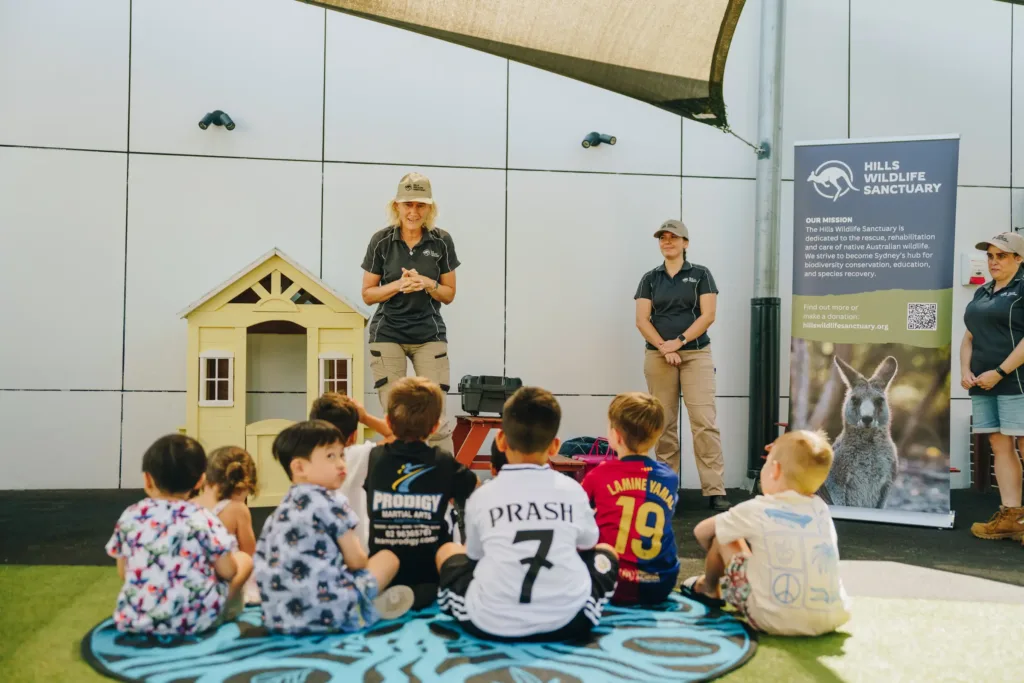
Why Nature Play Is Essential for Early Childhood Development
Nature play is one of the most powerful ways to support early childhood development. As children explore outdoor environments by touching leaves, balancing on logs, observing insects, or running freely, they are doing far more than simply “playing.” They are developing stronger cognitive abilities, improving physical coordination, building emotional resilience, and strengthening creativity through meaningful outdoor learning experiences.
This guide explores the importance of nature play in early learning, how outdoor activities support child development, and why nature-based learning environments are essential in high-quality early learning centres.

What Is Nature Play?
Nature play refers to structured or unstructured activities that take place in natural outdoor environments. These experiences encourage children to explore, discover, move, and learn through hands-on interaction with the world around them.
Nature play activities may include:
- Exploring gardens, mud, sand, rocks, or water
- Building with sticks, leaves, and natural materials
- Watching birds, insects, and plants
- Climbing trees or balancing on uneven surfaces
- Sensory exploration through touch, smell, sound, and movement
Why Nature Play Matters in Early Childhood Development
Outdoor learning environments stimulate key areas of brain and body development that traditional indoor settings cannot always replicate. Nature-based play supports holistic child development by encouraging movement, problem-solving, curiosity, communication, and emotional growth.
Strengthens Cognitive Development
Natural environments are filled with sensory-rich learning opportunities. Children observing patterns, textures, weather changes, and natural elements develop important cognitive skills through active exploration.
- Improves concentration and focus
- Supports early scientific thinking
- Develops problem-solving abilities
- Encourages curiosity and independent learning
- Strengthens memory and reasoning skills
Encourages Creativity and Imagination
Unlike structured toys, natural materials offer endless possibilities for imaginative play. Nature encourages open-ended learning where children create their own ideas, stories, and games.
- A stick becomes a fishing rod, wand, or paintbrush
- Leaves and flowers become art materials
- Rocks transform into treasure or pretend food
- Outdoor spaces inspire storytelling and roleplay
Improves Fine and Gross Motor Skills
Outdoor environments naturally challenge physical movement and coordination. Activities such as climbing, digging, balancing, running, and lifting strengthen muscles and improve motor development.
- Balancing develops coordination and core strength
- Picking up natural objects improves fine motor control
- Running and jumping enhance gross motor development
- Outdoor movement supports spatial awareness and stamina
Explore Our Toddler Learning Program
Looking for a nurturing environment that supports outdoor learning, creativity, and holistic child development?
Learn more about our Toddler Program in Dural and discover how nature-based learning helps children thrive.
Boosts Language and Social Development
Nature play encourages communication, teamwork, and collaboration. Children naturally engage in conversations, ask questions, and participate in imaginative roleplay during outdoor activities.
- Builds confidence in communication
- Expands vocabulary related to nature and sensory experiences
- Encourages teamwork and cooperation
- Supports emotional understanding and empathy
Supports Emotional Wellbeing and Confidence
Spending time outdoors has a calming effect on children. Nature play encourages independence, resilience, and healthy emotional regulation while reducing stress and anxiety levels.

How Outdoor Learning Supports Sensory Development
Nature acts as a sensory-rich classroom where children experience different textures, sounds, movements, colours, and smells that stimulate brain development and sensory processing skills.
- Touch: Sand, bark, grass, water, mud, and stones
- Sight: Colours, patterns, shadows, and movement
- Sound: Birds, leaves, rain, and flowing water
- Smell: Flowers, soil, fresh air, and plants
- Movement: Climbing, balancing, running, and jumping
Nature Play Activities for Early Learners
Early learning centres can integrate outdoor learning into daily routines through engaging nature-based activities such as:
- Sensory gardens
- Mud kitchens
- Nature scavenger hunts
- Water play stations
- Outdoor storytelling circles
- Leaf and rock art
- Bug observation corners
- Balance logs and climbing activities
Why Early Learning Centres Should Prioritise Outdoor Learning
High-quality early learning centres understand that outdoor education is essential for healthy child development. Nature-based programs help children become more confident, independent, creative, and socially connected learners.
- Encourages curiosity and exploration
- Creates healthier and more active lifestyles
- Supports emotional resilience
- Improves engagement and learning outcomes
- Provides meaningful hands-on learning experiences
Simple Ways Parents Can Encourage Nature Play at Home
Parents can support outdoor learning at home without expensive equipment or large outdoor spaces.
- Visit local parks regularly
- Create small garden activities
- Encourage cloud watching and nature walks
- Use buckets and cups for water play
- Collect leaves, flowers, or stones for creative activities
Final Thoughts
Nature play is far more than outdoor fun. It is a powerful foundation for cognitive, emotional, physical, social, and sensory development during early childhood. By integrating outdoor learning experiences into everyday education, early learning centres help children build confidence, resilience, creativity, and lifelong learning skills that support future success.