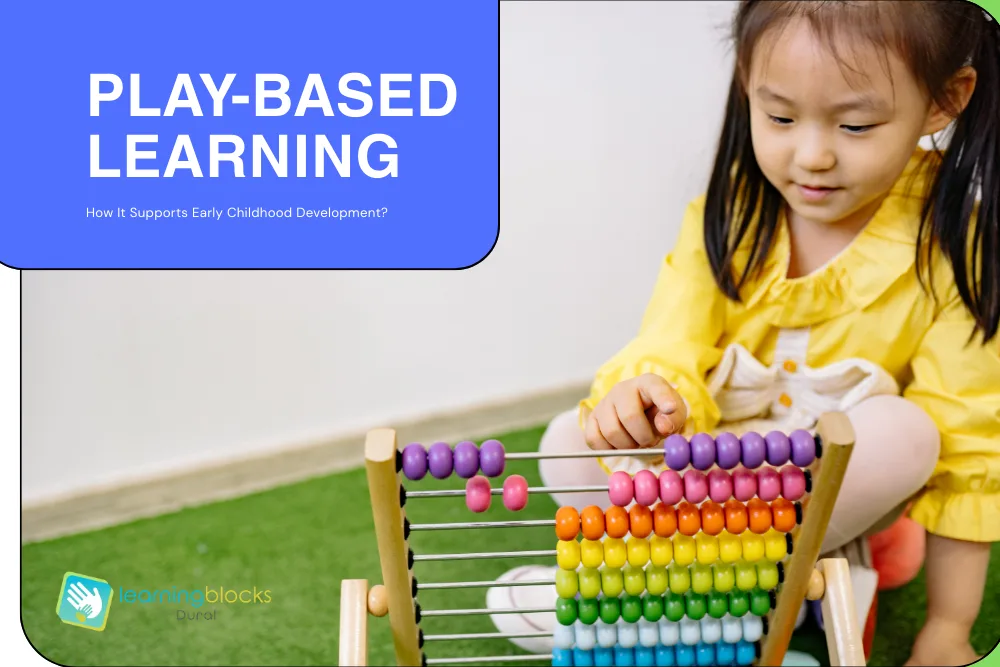
Play-based learning is a teaching approach that uses structured and unstructured play to help children explore, discover, and learn. Unlike traditional instruction-focused education, play-based learning emphasises hands-on experiences, imagination, and social interaction, allowing children to develop essential skills in a natural and enjoyable environment.
At Learning Blocks Dural, our play-based programs are designed to encourage curiosity, creativity, and confidence in young learners. By integrating play into every aspect of early learning, children are better prepared for school, social settings, and lifelong learning.
The Key Benefits of Play-Based Learning
1. Social and Emotional Development
Through play, children learn to:
- Share, take turns, and collaborate with peers
- Express emotions and develop empathy
- Build confidence and self-regulation skills
Activities in our Adventure Room and Discovery Room are structured to foster positive social interactions in a safe and supportive environment.
2. Cognitive Development
Play-based learning encourages problem-solving, reasoning, and decision-making. Children engage in activities that stimulate critical thinking, creativity, and memory, laying the foundation for academic success.
Discovery Room experiences at Learning Blocks Dural allow children to experiment, explore, and test ideas, supporting cognitive growth naturally.
3. Physical and Motor Skills
Many play-based activities improve gross and fine motor skills, coordination, and balance. For example, climbing, building, and sensory activities help develop strength, precision, and spatial awareness.
Our Sensory Room is specifically designed to provide hands-on opportunities that develop motor coordination and sensory integration while keeping children engaged and motivated.
4. Encouraging Independence and Decision-Making
Play allows children to make choices, solve problems independently, and take initiative in their learning. This builds confidence and self-esteem, helping toddlers transition smoothly into school routines.
Children participating in our programs naturally develop independence while exploring our purpose-built play-based learning spaces.
5. Preparing for School
Play-based learning equips children with foundational skills needed for school readiness, including:
- Communication and language development
- Early literacy and numeracy skills
- Teamwork and resilience
By participating in structured and free play activities, children develop both the academic and social skills required for a successful school journey.
At Learning Blocks Dural, our approach integrates play-based learning into every aspect of our programs. From the Adventure Room to the Discovery and Sensory Rooms, each space is designed to promote learning through exploration, creativity, and fun.
Parents and caregivers can learn more about our services and play-based programs by visiting our Services page, which provides detailed information about all the learning environments and activities we offer.
How Learning Blocks Dural Supports Play-Based Learning
At Learning Blocks Dural, our approach integrates play-based learning into every aspect of our programs. From the Adventure Room to the Discovery and Sensory Rooms, each space is designed to promote learning through exploration, creativity, and fun.
Parents and caregivers can learn more about our services and play-based programs by visiting our Services page, which provides detailed information about all the learning environments and activities we offer.
Why Play-Based Learning Works
Research shows that children learn best when they are engaged, motivated, and actively exploring their environment. Play-based learning combines these elements with expert guidance to create an educational experience that is both effective and enjoyable.
By incorporating play into early education, children:
- Retain knowledge better
- Develop a love for learning
- Build critical social, emotional, and cognitive skills
Learning Blocks Dural ensures every child benefits from this approach, fostering growth, confidence, and curiosity.
Ready to Explore Play-Based Learning?
If you are looking for a centre that prioritises play, exploration, and development, our team at Learning Blocks Dural is here to support your child’s growth. Learn more about our play-based learning services and how we can create a fun, educational experience for your little learner.
What is play-based learning in early childhood education?
Play-based learning is an educational approach that uses guided and child-led play to support cognitive, social, emotional, and physical development. It allows children to explore concepts through hands-on experiences rather than passive instruction, helping them learn naturally and meaningfully.
Is play-based learning effective for school readiness?
Yes. Play-based learning supports school readiness by developing early literacy, numeracy, communication, emotional regulation, and problem-solving skills. Children learn how to follow routines, collaborate with peers, and build confidence—key skills needed for a smooth transition to school.
How does play-based learning support brain development?
Play stimulates brain development by encouraging curiosity, experimentation, and decision-making. Activities such as imaginative play, sensory exploration, and problem-solving strengthen neural connections that support memory, reasoning, and learning capacity.
What ages benefit most from play-based learning?
Play-based learning is effective for children from infancy through preschool years (6 weeks to 6 years). Each developmental stage benefits differently—from sensory exploration in infants to structured inquiry and collaboration in preschool-aged children.
How is play-based learning different from traditional teaching?
Traditional teaching often focuses on instruction and repetition, while play-based learning emphasises exploration, creativity, and interaction. In play-based environments, educators guide learning through activities that are engaging, flexible, and tailored to each child’s developmental needs.