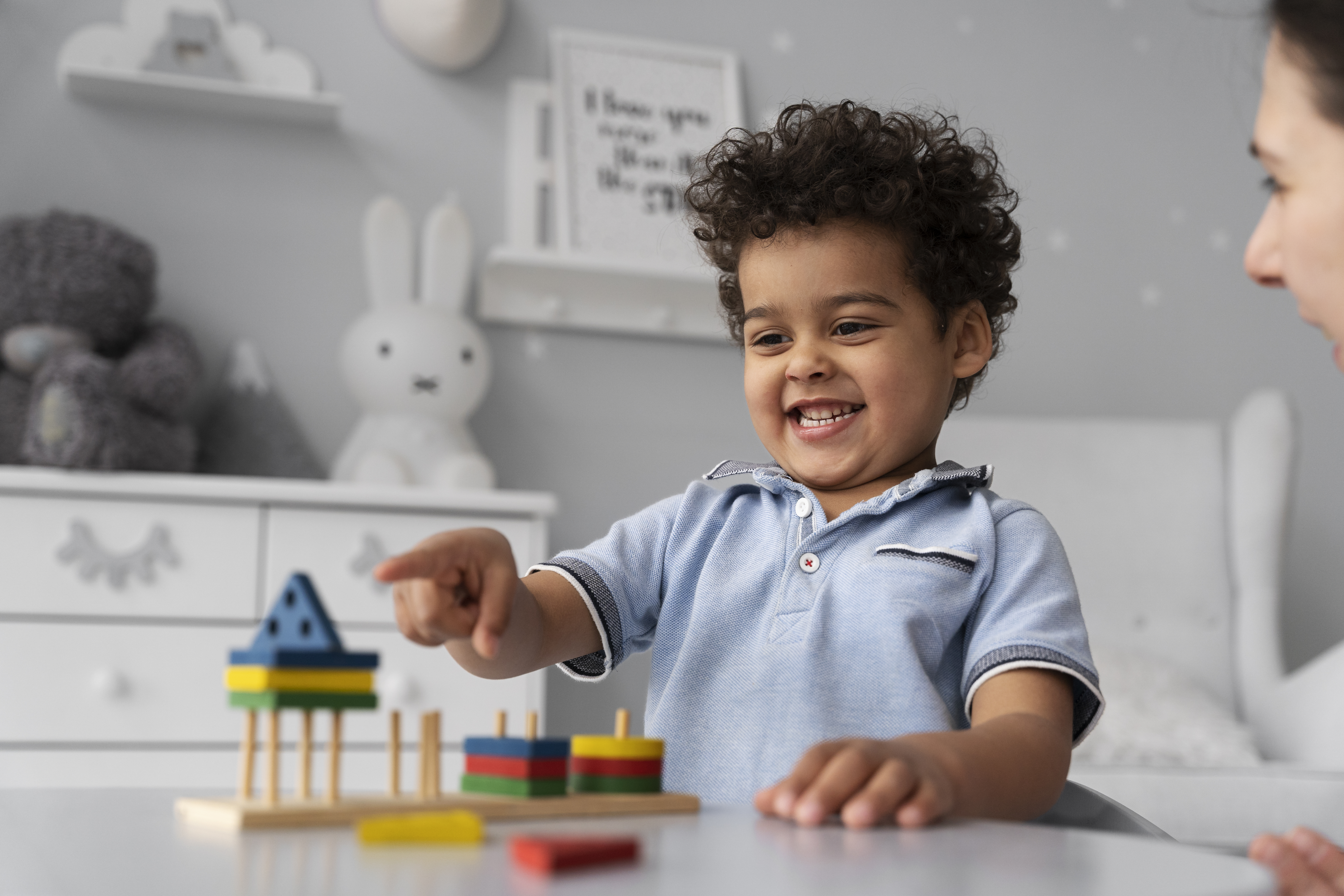
Sensory play is one of the most effective ways to support a child’s cognitive, emotional, and physical development—and it doesn’t require expensive toys or fancy kits. With everyday household items, you can create rich sensory experiences that stimulate the senses, encourage creativity, and promote early learning at home.
This guide explores what sensory play is, why it matters, and how to create engaging sensory activities using common household items, making it perfect for parents, caregivers, and educators.
What Is Sensory Play?
Sensory play refers to activities that engage one or more of the five senses:
- Touch
- Sight
- Sound
- Smell
Taste (used carefully and age-appropriately)
These activities help children explore their environment while building critical skills through hands-on experiences.
Why Sensory Play Is Important for Child Development
1. Enhances Brain Development
Sensory activities strengthen neural connections in the brain, especially during early childhood when the brain is rapidly developing.
2. Builds Fine and Gross Motor Skills
Scooping, pouring, squeezing, and sorting help improve hand-eye coordination and muscle control.
3. Encourages Language and Communication
As children describe textures, sounds, and sensations, they naturally expand vocabulary and expressive language.
4. Supports Emotional Regulation
Sensory play can calm anxious children, reduce stress, and help regulate emotions.
5. Promotes Creativity and Problem-Solving
Open-ended sensory experiences allow children to experiment, imagine, and think critically.
Benefits of Using Everyday Household Items for Sensory Play
- Cost-effective – No need to buy special toys
- Easily accessible – Items already in your home
- Eco-friendly – Reuse and recycle materials
- Safe and familiar – Children recognize the objects
- Highly customizable – Adapt for any age group
Sensory Play with Everyday Household Items (By Sense)
Rice, Pasta, or Lentil Bins
Fill a container with uncooked grains and add cups, spoons, or funnels for scooping and pouring.
Skills Developed: Fine motor skills, concentration, math concepts
Sponges and Water Play
Different sponge textures dipped in water provide a satisfying tactile experience.
Skills Developed: Grip strength, sensory awareness
Play Dough (DIY or Store-Bought)
Mix flour, salt, oil, and water for homemade play dough.
Skills Developed: Creativity, hand strength
Sight-Based Sensory Play Activities
Color Sorting with Household Objects
Use colored bottle caps, buttons, or toys and ask children to sort them.
Skills Developed: Color recognition, categorization
Light and Shadow Play
Use flashlights and household objects to create shadows on walls.
Skills Developed: Visual tracking, curiosity
Sound-Based Sensory Play Activities
Homemade Musical Instruments
- Rice in plastic bottles
- Pots and wooden spoons as drums
Skills Developed: Auditory discrimination, rhythm
Sound Matching Games
Use containers with different fillings and ask children to match sounds.
- Rice in plastic bottles
Smell-Based Sensory Play Activities
Spice Exploration
Let children smell cinnamon, vanilla, cloves, or herbs.
Skills Developed: Sensory memory, vocabulary
Scented Cotton Balls
Add drops of essential oils (child-safe) to cotton balls and store them in jars.
Taste-Based Sensory Play (With Supervision)
Flavor Exploration
Offer small samples of sweet, salty, sour, and mild bitter foods.
Skills Developed: Sensory awareness, food acceptance
Age-Appropriate Sensory Play Ideas
Toddlers (1–3 Years)
- Water play with cups
- Soft fabric texture boards
- Large object sorting
Preschoolers (3–5 Years)
- Sensory bins with themes
- DIY slime or dough
- Sound and smell guessing games
Early School Age (6+ Years)
- Science-based sensory experiments
- Cooking and baking sensory activities
Advanced building and texture comparisons
- Water play with cups
Safety Tips for Sensory Play at Home
- Always supervise young children
- Avoid choking hazards for toddlers
- Use non-toxic, food-safe materials
- Clean materials after use
Teach children not to taste unless allowed
- Always supervise young children
How to Set Up a Sensory Play Area at Home
- Choose a washable surface
- Use bins or trays to contain mess
- Keep towels and wipes nearby