How Sensory Play Boosts Brain & Motor Development in Toddlers
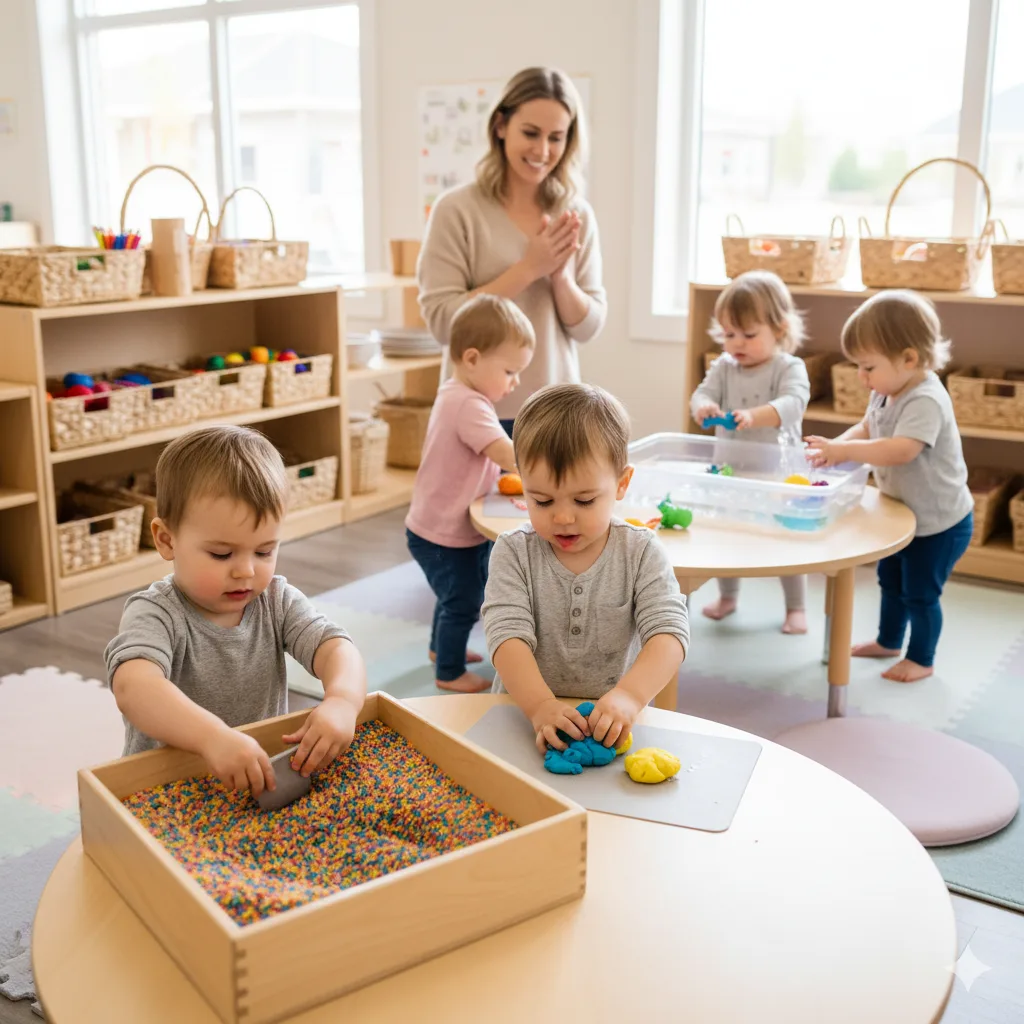
Watch a toddler squish playdough between their tiny fingers or splash water with pure delight, and you’re witnessing something remarkable. These simple moments of sensory play toddler experiences aren’t just fun—they’re building the foundation for lifelong learning and development.
Every parent has seen how a child becomes completely absorbed in simple sensory experiences. Let’s explore why getting messy, touching textures, and engaging the senses matter so much for your child’s growing brain and body.
What Is Sensory Play and Why Does It Matter?
Sensory play involves any activity that stimulates your toddler’s senses—touch, smell, taste, sight, hearing, and even movement and balance. Think finger painting, sand play, listening to musical instruments, or exploring different fabrics.
During the toddler years, your child’s brain is forming over one million neural connections every second. Each time they touch something bumpy, smell something sweet, or hear a new sound, their brain creates pathways that support learning, memory, and problem-solving. These experiences literally shape how their brain develops.
Sensory development activities do more than entertain. They help toddlers make sense of the world around them, regulate their emotions, and build the physical skills they need for everything from holding a pencil to climbing playground equipment.
The Brain-Building Power of Sensory Experiences
When your toddler explores sensory materials, their brain works overtime. They’re not just feeling rice pour through their fingers—they’re learning about cause and effect, developing language to describe textures, and practising focus and attention.
Sensory play strengthens the connections between different parts of the brain. As toddlers sort objects by texture, they’re using areas responsible for touch, vision, and logical thinking all at once. This integration helps them become better problem-solvers and more creative thinkers.
Research shows that children who regularly engage in sensory experiences develop stronger cognitive abilities. They learn to observe, experiment with new ideas, and adapt when things don’t go as planned—skills that serve them well throughout life.
Sensory exploration also supports emotional regulation. When toddlers squeeze stress balls, run their hands through kinetic sand, or rock in a swing, they learn to self-soothe and manage big feelings. This emotional foundation is just as important as academic learning.
Building Toddler Motor Skills Through Sensory Play
Toddler motor skills sensory activities go hand in hand. Every time your child manipulates a sensory material, they’re strengthening the muscles and coordination needed for daily tasks.
Fine Motor Development
Those little fingers get a serious workout during sensory play. When toddlers pinch, grasp, scoop, and pour, they’re developing the precise movements needed for buttoning clothes, using utensils, and eventually writing.
Threading beads, picking up small objects with tweezers, tearing paper, or rolling playdough all build hand strength and dexterity. These activities prepare the small muscles in their hands and fingers for the detailed work they’ll do in school and beyond.
Gross Motor Skills
Sensory play isn’t just about tiny movements. Jumping in puddles, walking barefoot on different surfaces, or crawling through a sensory tunnel develops the large muscles needed for running, jumping, and climbing.
Balance and coordination improve when toddlers navigate spaces with different textures or carry containers filled with water or sand. They’re learning where their body is in space—a skill called proprioception that’s crucial for all physical activity.
Practical Sensory Activities for Your Toddler
The beauty of sensory play is its simplicity. You don’t need expensive toys or complicated setups. Here are activities that deliver powerful developmental benefits:
Water Play: Fill a tub with water and add cups, funnels, and sponges. Your toddler learns about volume, practices pouring, and strengthens hand muscles.
Texture Bins: Create bins filled with rice, dried pasta, or sand. Hide small toys inside for discovery. This encourages fine motor skills and language development as they describe what they find.
Playdough Creations: Homemade or store-bought, playdough is perfect for building hand strength. Rolling, squishing, and shaping improve finger coordination.
Nature Exploration: Collect leaves, pinecones, and smooth stones. Let your toddler sort by texture, size, or colour. This outdoor sensory play connects them to nature while developing classification skills.
Sensory Bags: Seal hair gel, small objects, and food colouring in a zip-lock bag. Toddlers can squish and explore without the mess—perfect for developing visual tracking and fine motor control.
Musical Experiences: Dancing to different rhythms, playing instruments, or even making music with pots and wooden spoons supports auditory processing and gross motor coordination.
Creating a Sensory-Rich Environment at Home
You don’t need a dedicated playroom to support sensory development. Simple changes make a big difference:
Rotate materials regularly to maintain interest. What excites your toddler today might bore them next week, so keep a variety of textures and experiences available.
Follow your child’s lead. Some toddlers dive into messy play, while others need time to warm up. Both approaches are perfectly normal. Never force participation—let curiosity guide the experience.
Make sensory play part of daily routines. Bath time, cooking together, or gardening all offer rich sensory input. Point out textures, temperatures, and smells as you go about your day.
Supporting Your Child’s Sensory Journey
Every child develops at their own pace, and sensory play respects individual differences. Some toddlers are sensory seekers who crave constant input, while others are more sensitive and prefer gentler experiences. Both are normal.
The key is offering variety and watching how your child responds. Over time, you’ll discover which activities they love and which help them learn best.
Remember, the goal isn’t perfection—it’s exploration. The messy hands, the concentrated faces, and the delighted squeals are all signs your toddler’s brain and body are hard at work building skills they’ll use for life.
Sensory play isn’t just an activity—it’s an investment in your child’s development. So embrace the mess, celebrate the discoveries, and watch your toddler flourish through the power of sensory exploration.
The Learning Blocks Dural Approach
Quality early learning environments understand that toddlers learn best through hands-on exploration. At Learning Blocks Dural, we integrate sensory development activities throughout our day, creating safe spaces where children can get messy, experiment, and discover at their own pace.
Our educators design experiences that challenge and support each child’s unique developmental stage. Whether a toddler is just beginning to grasp objects or ready for more complex manipulative play, we provide the right growth opportunities.
If you’d like to learn more about how we nurture your child’s development through play-based learning, we’d love to hear from you. Contact us to discover how Learning Blocks Dural can support your toddler’s sensory journey.